
Time paints the cityscape with change, yet the soul of Pretoria remains untouched—woven in the lilac hues of its Jacarandas and the grandeur of its history.
The Union Buildings: The Story Behind South Africa’s Seat Of Government
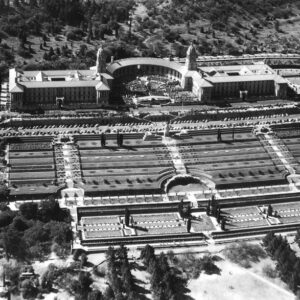
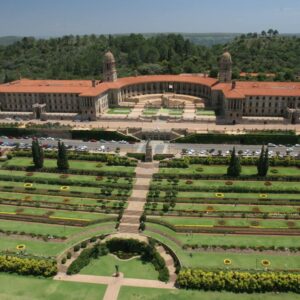
Perched on Meintjieskop, overlooking the heart of Pretoria, the Union Buildings stand as an architectural masterpiece and a symbol of South Africa’s political evolution. Designed by the renowned Sir Herbert Baker in 1910, these sandstone marvels have been the backdrop to countless pivotal moments, from the inauguration of Nelson Mandela to mass protests and celebrations of democracy. Though its grandeur remains unchanged, its role has expanded beyond governance—it is now a beacon of history, resilience, and unity. The lush terraced gardens welcome visitors from all walks of life, offering panoramic views of a city that has grown, adapted, and thrived over the years.
The History Of Church Square: Pretoria’s Historic Heart
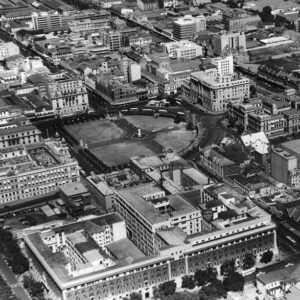
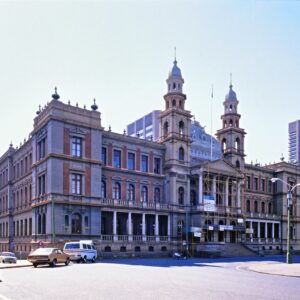
If walls could talk, Church Square would be the city’s most compelling storyteller. Once a bustling marketplace, this square has been the pulse of Pretoria for centuries. Enclosed by striking heritage buildings, including the Palace of Justice, where Nelson Mandela was sentenced during the Rivonia Trial, it holds the echoes of both colonial dominance and liberation struggles. The bronze statue of Paul Kruger at its center is a nod to the past, while the modern coffee shops and street performers breathe new life into its cobblestone pathways. Today, locals and tourists alike gather here, where the past and present intertwine in an ever-evolving narrative.
Paul Kruger House: The Legacy Of The Boer Leader
Step into the world of the enigmatic Paul Kruger, and you step into a defining chapter of South African history. His modest yet stately home on Church Street is a preserved relic of the late 19th century, offering a glimpse into the life of the Boer leader who fiercely defended the independence of the South African Republic. The house, built with a unique mix of bricks and cow dung (a common method for insulation at the time), remains frozen in time, complete with original furniture and Kruger’s personal belongings. Walking through its rooms, you can almost hear the hushed political discussions of a man who shaped Pretoria’s early identity. Though Pretoria’s skyline now boasts towering modern buildings, this humble home serves as a reminder of the city’s roots.
The Voortrekker Monument: A Symbol Of Afrikaner Heritage
Majestic, imposing, and steeped in history, the Voortrekker Monument stands as a bold tribute to the Great Trek of the 1830s. Built to commemorate the Afrikaner pioneers who ventured into the unknown, the granite structure is adorned with friezes depicting the struggles and victories of the Voortrekkers. While its symbolism has sparked debate, its significance as a historical monument remains undisputed. Today, the site is more than just a museum—it serves as an educational center and a place for reflection on South Africa’s complex past. Its elevated position offers breathtaking views of Pretoria, where modern highways crisscross a landscape once traversed by ox-wagons.
Melrose House: The Historic Site Where The Anglo-Boer War Ended
The grandeur of Melrose House belies the turbulence of the past. This Victorian masterpiece, built in the late 19th century, became the stage for a crucial moment in history—the signing of the Treaty of Vereeniging in 1902, marking the end of the Anglo-Boer War. Within its opulent rooms, adorned with stained-glass windows and antique furniture, one can sense the weight of decisions that shaped a nation. Though Pretoria has embraced the future, Melrose House remains a sanctuary of nostalgia, whispering tales of war, diplomacy, and transformation.
The History Of Loftus Versfeld Stadium: More Than Just A Rugby Venue
What started as a modest sports ground in 1906 has grown into an iconic arena that has hosted some of the world’s most thrilling matches. Loftus Versfeld Stadium is more than just a rugby stronghold—it’s a temple of passion for sports lovers. From the roars of the Bulls’ loyal fans to the electric atmosphere of the 2010 FIFA World Cup, this stadium has been a unifying force in Pretoria. It stands as a testament to the city’s love for sport, a place where history is written in every tackle, every goal, and every anthem sung in unison.
The Oldest Neighbourhoods In Pretoria: Their Stories & Origins
Wandering through Arcadia, Sunnyside, and Brooklyn, you’ll find streets lined with old Jacaranda trees that have watched the city evolve for over a century. These neighborhoods, once home to colonial officials and aristocrats, have transformed into vibrant districts. Arcadia, known for its embassies and historic homes, still retains its elegant charm, while Sunnyside, once a quiet residential area, is now a buzzing hub of student life. Brooklyn blends the old with the new, boasting both grand colonial residences and trendy cafes. These areas embody Pretoria’s layered history, standing firm amidst the city’s modern expansion.
Iconic Pretoria Architecture: Buildings That Tell A Story
Pretoria’s architecture is a fascinating mix of British, Dutch, and modern influences. The grandeur of the Pretoria City Hall, the intricate details of the Transvaal Museum, and the Art Deco gems scattered along Paul Kruger Street all contribute to the city’s distinctive aesthetic. From the colonial-era Union Buildings to the sleek skyscrapers rising in the business district, each structure adds to the city’s evolving skyline, proving that Pretoria is as much about progress as it is about preservation.
Preserving Pretoria’s Historic Buildings: Heritage Sites That Stand The Test Of Time
Time spares no city, but Pretoria has fought hard to keep its history alive. Heritage organizations work tirelessly to restore and maintain historical sites, ensuring they do not fall victim to neglect or development pressures. Projects like the renovation of the Palace of Justice and the preservation of Victorian-era homes highlight the city’s dedication to its past. With every restored building, Pretoria reaffirms its commitment to remembering where it came from, even as it strides into the future.
The National Library Of South Africa: The Story Of Pretoria’s Literary Heritage
Tucked away in the heart of the city, the National Library of South Africa is a sanctuary for knowledge seekers. Home to rare manuscripts, centuries-old maps, and a wealth of literary treasures, it plays a vital role in preserving South Africa’s intellectual heritage. As digital transformation reshapes the world of literature, the library continues to adapt while safeguarding the past, ensuring that future generations can still turn the pages of history.
How Pretoria Has Changed Over The Last 100 Years: A Look At The City’s Growth
From a quiet administrative center to a dynamic metropolis, Pretoria has undergone a remarkable transformation. Once dominated by government offices, the city now boasts bustling commercial hubs, diverse cultural spaces, and a melting pot of communities. Modern shopping malls stand where farmland once stretched, and contemporary art galleries now occupy heritage buildings. Yet, through all the changes, one thing remains constant—the annual bloom of the Jacarandas, a reminder that amidst growth and progress, some things should never change.
Pretoria is a city where history and modernity dance in harmony. It is a place where the past is honored, but the future is embraced with open arms. From historic monuments to contemporary skyscrapers, from colonial streets to cosmopolitan avenues, it tells a story of resilience, transformation, and hope. And as the purple blossoms of the Jacaranda trees continue to paint the city every spring, Pretoria stands as a testament to time—always changing, yet forever the same
FAQs
1. How did Pretoria get the nickname "Jacaranda City"?
Pretoria is home to over 70,000 jacaranda trees, which bloom in a stunning display of purple every spring, giving the city its famous nickname.
2. What is the historical significance of Church Square?
Church Square has been the center of Pretoria’s political and social activities, witnessing key events, including the Rivonia Trial where Nelson Mandela was sentenced.
3. Who was Paul Kruger, and why is he important to Pretoria?
Paul Kruger was a prominent Boer leader and President of the South African Republic. His leadership and resistance against British rule shaped much of Pretoria’s early history.
4. Is the Voortrekker Monument open to visitors?
Yes, the Voortrekker Monument is open to the public and offers guided tours, exhibitions, and a museum detailing the Great Trek.
5. What makes Loftus Versfeld Stadium special?
It is one of South Africa’s oldest stadiums, renowned for hosting major rugby and football matches, including FIFA World Cup 2010 games.
6. How has Pretoria changed in the last century?
Pretoria has grown from a government-dominated city into a diverse urban center, integrating modern infrastructure while preserving its rich historical sites.
7. Where can I explore Pretoria’s architectural heritage?
Key places include the Pretoria City Hall, the Transvaal Museum, Melrose House, and various historic buildings in Church Square.
8. Are there any ongoing efforts to preserve Pretoria’s historical sites?
Yes, several heritage organizations work towards the restoration and preservation of Pretoria’s historic buildings and cultural landmarks.
9. What role does the National Library of South Africa play in Pretoria’s history?
The library preserves Pretoria’s literary history, housing rare manuscripts, books, and historical records vital to the city’s academic and cultural legacy.
10. What are the oldest neighborhoods in Pretoria?
Arcadia, Sunnyside, and Brooklyn are among the oldest neighborhoods, each with a rich history reflected in their architecture and development.