
Nestled in the heart of Pretoria, the Paul Kruger House Museum offers visitors a glimpse into the life of one of South Africa’s most influential historical figures. With its well-preserved artefacts and fascinating stories, the house stands as a testament to the era of the Boer leader. Let’s step inside and explore its remarkable journey.
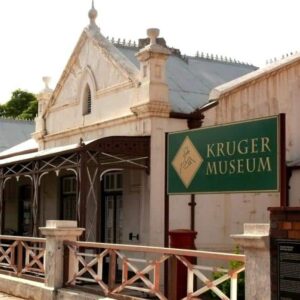
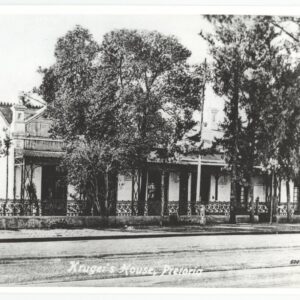
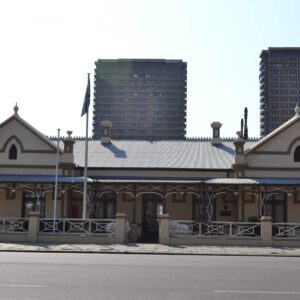
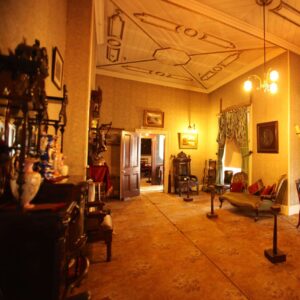
Image sources:
1. https://www.safarinow.com/destinations/pretoria-%28tshwane%29/galleriesandmuseums/kruger-house-museum.aspx
2. By Anonymous - https://repository.up.ac.za/handle/2263/22150 [1]
3. By PHParsons - Own work, CC BY-SA 3.0, https://commons.wikimedia.org/w/index.php?curid=28255255
4. By Leo za1 - Own work, CC BY-SA 3.0, https://commons.wikimedia.org/w/index.php?curid=28239815
The Home of a Leader: Paul Kruger House in Pretoria
Paul Kruger, often called "Oom Paul," played a pivotal role in shaping South African history. His home, located on Church Street, was built in 1884 and became a symbol of his presidency and resistance against British rule. Designed by the architect Tom Claridge, the house was constructed using unbaked bricks and milk instead of water, a technique that helped ensure its durability. Today, the house stands as a museum, preserving not just Kruger’s personal artefacts but also the story of the Afrikaner struggle during the late 19th century.
Inside Paul Kruger’s Home: A Walk Through History
Walking through the Paul Kruger House Museum is like stepping back in time. Each room holds treasures from the past, giving visitors an intimate look at the life of the man who once lived here.
- The Dining Room : A grand wooden table takes centre stage, where Kruger and his family once shared meals and discussed matters of state.
- The Bedroom : Kruger’s simple yet elegant bedroom reflects his modest lifestyle, despite his powerful position.
- The Study : A room filled with books, maps, and documents that offer insight into his leadership and political strategies.
The Significance of Paul Kruger House in South African History
Paul Kruger House is more than just a museum—it’s a piece of living history. It stands as a reminder of a time when South Africa was caught in the throes of political conflict and change.
- Symbol of Afrikaner Nationalism : Kruger’s legacy is deeply connected to the formation of Afrikaner identity and resistance against British colonial rule.
- Preserving Pretoria’s Heritage : In a rapidly modernizing city, the house remains a cultural landmark that connects the past with the present.
- Educational Hub : Schools and history enthusiasts frequently visit the museum to learn about South Africa’s complex past.
Pretoria Then & Now: The Changing Landscape Around Paul Kruger House
The Pretoria of Paul Kruger’s time was vastly different from the bustling metropolis it is today. In the late 1800s, the city was the administrative capital of the South African Republic, with grand government buildings and a growing Boer population. Fast forward to the 21st century, and Pretoria is now a diverse, cosmopolitan city with towering skyscrapers, modern infrastructure, and a thriving cultural scene. Despite these changes, the Paul Kruger House remains untouched by time—a reminder of Pretoria’s rich heritage amidst the urban transformation.
Must-See Artifacts at the Paul Kruger House Museum
For history buffs and curious visitors, the museum offers a fascinating collection of personal and historical artefacts, including:
- Kruger’s personal Bible – a treasured possession that reflects his deep religious beliefs.
- The President’s carriage – a beautifully preserved horse-drawn vehicle used for state occasions.
- Period furniture and clothing – giving visitors a glimpse into 19th-century living.
- Original photographs – documenting Kruger’s presidency and his exile.
Each item tells a story, preserving the memory of a man who shaped South Africa’s history.
The Paul Kruger Statue and Its Role in Modern-Day Pretoria
Just a short distance from the house, the Paul Kruger statue in Church Square remains one of Pretoria’s most iconic landmarks. Depicting Kruger standing tall, flanked by Boer soldiers, the statue continues to spark conversations about his impact on South Africa’s history.
- A Site of Reflection : Some view it as a proud symbol of Afrikaner heritage, while others see it as a reminder of South Africa’s colonial past.
- Preserving History Amidst Change : The statue has withstood calls for removal, illustrating the ongoing debate over how historical figures should be remembered.
Regardless of perspective, the statue remains an integral part of Pretoria’s historical landscape.
Why Visit Paul Kruger House Today?
Whether you're a history lover, a student, or a traveller exploring Pretoria, a visit to the Paul Kruger House Museum is a must. Here’s why:
- Step into the past – Experience life in the 1800s with preserved rooms and authentic artefacts.
- Learn about South Africa’s heritage – Gain insight into the struggles and triumphs of the Boer leader.
- Explore Pretoria’s history – Understand how the city evolved from a small Boer settlement to the vibrant capital it is today.
A tour of the museum provides a richer appreciation of Pretoria’s past, making it an unforgettable experience for visitors.
Paul Kruger House is more than just a museum—it’s a gateway to South Africa’s past. As Pretoria continues to evolve, this historic home stands as a timeless tribute to the legacy of the Boer leader. Whether you’re a local or a visitor, stepping through its doors is like stepping into history itself. So, why not plan your visit today and experience the story of Paul Kruger firsthand?
FAQs
1. What are the opening hours of the Paul Kruger House Museum?
The museum is open from 9:00 AM to 4:00 PM, Tuesday to Sunday.
2. Is there an entrance fee for the Paul Kruger House Museum?
Yes, there is a small entrance fee, which helps with the preservation of the museum.
3. Can visitors take photographs inside the museum?
Photography is allowed in most areas, but flash photography may be restricted to protect delicate artefacts.
4. Is the Paul Kruger House accessible for wheelchair users?
Yes, the museum has made efforts to accommodate visitors with mobility challenges.
5. Are guided tours available at the museum?
Yes, guided tours are available and provide deeper insights into the life and legacy of Paul Kruger.
6. What is the best time to visit Paul Kruger House?
Weekday mornings are ideal, as they are less crowded and offer a more relaxed experience.
7. Is the Paul Kruger House family-friendly?
Absolutely! The museum is a great place for children to learn about history in an interactive setting.
8. Are there any nearby attractions?
Yes, visitors can explore Church Square, the Union Buildings, and the Voortrekker Monument, all within a short distance.
9. How long does a visit to Paul Kruger House take?
A typical visit lasts between 1 to 2 hours, depending on how much detail you want to explore.
10. Can I buy souvenirs at the museum?
Yes, the museum has a small gift shop offering books, postcards, and memorabilia related to Paul Kruger.