Pretoria has transformed dramatically over the past century from a quiet administrative hub to a thriving modern city. Let’s take a journey through time and explore the remarkable growth of South Africa’s capital.
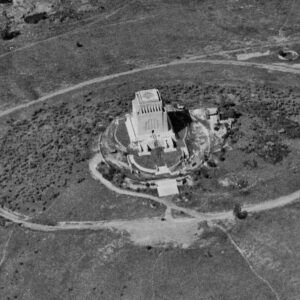
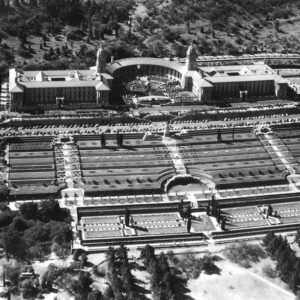
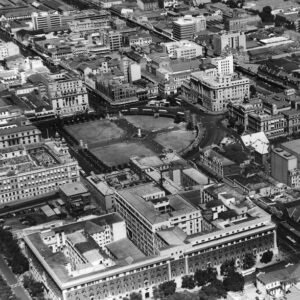
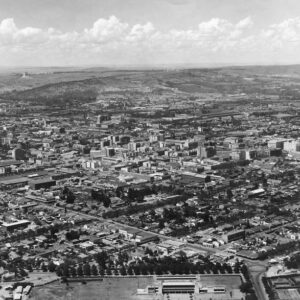
Image source: https://businesstech.co.za/news/lifestyle
Pretoria Then & Now: A Century of Transformation
Pretoria, often called the "Jacaranda City," is more than just a government hub—it's a city rich with history, culture, and innovation. A hundred years ago, life moved at a slower pace, with trams rattling down quiet streets, horse-drawn carriages clip-clopping past stately colonial buildings, and residents gathering in Church Square for daily business. Fast forward to today, and the city hums with energy. Skyscrapers pierce the skyline, high-speed Gautrains zip between Pretoria and Johannesburg, and the city pulses with a mix of tradition and modernity. The journey from past to present is nothing short of remarkable.
The Early 1900s: A Colonial Capital in Transition
In the early 20th century, Pretoria was a small administrative capital with a modest population. Its most notable landmark, the Union Buildings, designed by Sir Herbert Baker, was inaugurated in 1913, setting the tone for Pretoria’s architectural heritage. The city's economy revolved around agriculture, with vast farms supplying fresh produce to local markets. Public transport was simple, consisting mainly of trams and ox-wagons, while the streets remained largely unpaved. The city had a distinct European influence, with Dutch and British colonial architecture dominating the landscape. Life was orderly, structured, and deeply intertwined with government affairs.
Mid-20th Century: Industrialization and Urban Expansion
By the 1940s, South Africa was on the path to industrialization, and Pretoria wasn’t left behind. Factories sprouted, roads expanded, and new suburbs emerged. The rise of manufacturing brought an influx of workers, leading to the rapid expansion of townships such as Mamelodi, Atteridgeville, and Soshanguve. These areas became cultural powerhouses, filled with music, resilience, and the heartbeat of a people who shaped the city’s identity despite the harsh apartheid laws that dictated their living conditions.
The introduction of the Voortrekker Monument in 1949 was a symbol of Afrikaner nationalism, reinforcing Pretoria’s status as a political stronghold. Meanwhile, the city's economy flourished, with Pretoria becoming home to key industries, including automobile manufacturing and steel production. Roads became busier, businesses thrived, and the skyline started changing.
The 1990s: Political Change and a New Identity
If there was ever a decade that transformed Pretoria, it was the 1990s. The end of apartheid in 1994 and Nelson Mandela’s election as the first Black president of South Africa signaled a new dawn. The city, long associated with Afrikaner nationalism, had to redefine itself. Streets and buildings were renamed to reflect a more inclusive history, with places like Verwoerdburg changing to Centurion. Monuments that once celebrated one side of history now stood alongside those honouring the heroes of the struggle for democracy.
The city also saw a cultural shift. Higher education institutions like the University of Pretoria and Tshwane University of Technology grew in diversity, attracting students from different backgrounds. A renewed sense of unity started to emerge as Pretoria embraced its role as a capital that belonged to all South Africans.
Pretoria Today: A Hub of Development and Culture
Today, Pretoria is almost unrecognizable compared to its humble beginnings. The once-quiet administrative town is now a bustling city brimming with activity. The Gautrain revolutionized transport, linking Pretoria to Johannesburg in under 40 minutes, reducing traffic congestion and making inter-city travel a breeze. Shopping malls such as Menlyn Maine and Brooklyn Mall have turned the city into a retail and lifestyle hotspot, attracting tourists and locals alike.
Economic diversification has been key to Pretoria’s modern success. Government offices remain a significant employer, but the city has expanded into sectors like technology, finance, and renewable energy. The rise of smart city initiatives has introduced greener infrastructure, improved public transport systems, and an emphasis on sustainability.
Despite its urban growth, Pretoria has maintained its charm. The annual blooming of jacaranda trees, turning the streets into a sea of purple, remains one of its most cherished traditions. Landmarks like Freedom Park, built to honor those who fought for liberation, stand as symbols of remembrance and progress. The city’s nightlife and art scene have also flourished, with markets, theaters, and music festivals breathing new life into its cultural landscape.
What the Future Holds for Pretoria
Looking ahead, Pretoria is set to embrace even more change. Plans for eco-friendly housing, smart traffic solutions, and further economic expansion hint at a city that refuses to stand still. There’s talk of expanded Gautrain routes, improved public spaces, and new cultural districts that will bring Pretoria in line with some of the world’s most modern capitals.
One of the most exciting aspects is the city's focus on inclusive development. Unlike the past, where urban growth often benefited only certain communities, today’s Pretoria is working towards a future where every resident, regardless of background, has access to better opportunities. The rise of tech hubs and co-working spaces is encouraging entrepreneurship, and investment in education is ensuring that the next generation of leaders and innovators emerges from this dynamic city.
Will Pretoria become South Africa’s next global metropolis? Or will it maintain its balance of history and progress? Only time will tell. But if history is any indication, this city is only just getting started.
FAQ
1. How has Pretoria’s architecture changed over the last 100 years?
Pretoria’s architecture has evolved from colonial-era Dutch and British styles to modern skyscrapers, sleek office buildings, and large shopping centers that reflect the city's economic and cultural growth.
2. What was Pretoria like in the early 1900s?
It was a quiet town with cobbled streets, colonial government buildings, and a strong agricultural economy. Trams and horse-drawn carriages were the main modes of transport.
3. How did apartheid affect Pretoria’s development?
Apartheid led to strict racial segregation, shaping the city’s layout with separate living areas for different groups. However, it also accelerated industrialization and infrastructure development.
4. What industries drive Pretoria’s economy today?
Government remains a major employer, but finance, technology, renewable energy, and entrepreneurship have become significant contributors to Pretoria’s economic landscape.
5. How has public transport changed in Pretoria?
The introduction of the Gautrain, improved road networks, and better bus systems have transformed public transport, making the city more accessible than ever before.
6. What are the most famous historical landmarks in Pretoria?
The Union Buildings, Voortrekker Monument, Freedom Park, and Church Square are among the city's most iconic historical sites.
7. Has Pretoria’s population grown significantly over the years?
Yes, Pretoria’s population has expanded due to urban migration, increased job opportunities, and the development of new residential areas.
8. What are some modern attractions in Pretoria?
Today, Pretoria boasts attractions such as the Menlyn Maine district, Loftus Versfeld Stadium, the National Zoological Gardens, and vibrant food and art markets.
9. Is Pretoria a safe city to visit?
Like any major city, Pretoria has areas with higher crime rates, but key tourist and business districts have improved security measures, making it a safe destination with proper precautions.
10. What makes Pretoria unique compared to other South African cities?
Pretoria offers a unique blend of history, government institutions, and modern development while maintaining a relaxed atmosphere compared to the fast-paced environment of Johannesburg.