
Perched atop a hill overlooking Pretoria, the Voortrekker Monument stands as a silent witness to South Africa’s past, a grand tribute to resilience, identity, and heritage. But beyond its imposing granite façade lies a story—one of migration, survival, and deep cultural pride. Let’s journey through time to explore the significance of this national landmark and its role in shaping Pretoria, then and now.
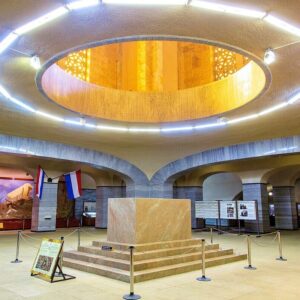
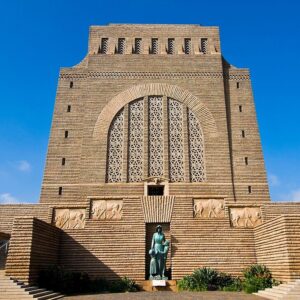
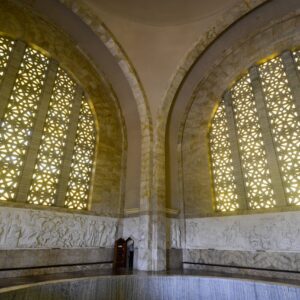
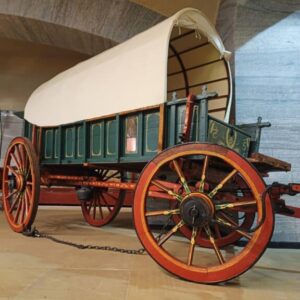
Image sources:
1. © lookphotos / robertharding
2. https://museumexplorer.co.za/the-voortrekker-monument/
3. https://www.vecteezy.com/free-photos/pretoria">Pretoria Stock photos by Vecteezy
4. https://museumexplorer.co.za/the-voortrekker-monument/
A Monument to the Past and Future
Towering above the landscape, the Voortrekker Monument is more than just a structure—it’s a symbol of an era. Designed by architect Gerard Moerdijk, this granite marvel was officially inaugurated on December 16, 1949, to commemorate the Great Trek of the 1830s and 1840s. With its striking square design, intricate friezes, and towering cenotaph, the monument embodies the spirit of the Afrikaner pioneers who migrated into the interior of South Africa, seeking freedom and self-determination. Moerdijk envisioned the monument as a place where future generations could reflect on the sacrifices of their ancestors. His design combined elements of Art Deco and Egyptian influences, creating a unique structure that would stand the test of time. Today, it remains one of Pretoria’s most visited landmarks, drawing history enthusiasts, scholars, and curious travellers alike.
The Great Trek: A Journey of Endurance
At the heart of the Voortrekker Monument is the narrative of the Great Trek—a mass migration of Afrikaner families (Voortrekkers) escaping British rule in the Cape Colony. Their journey into the rugged interior was fraught with hardship, battles, and alliances with indigenous communities. These pioneers travelled thousands of kilometres, crossing mountains and rivers, facing disease, and enduring harsh conditions in search of land where they could maintain their cultural and political autonomy. The monument captures these struggles in its historic marble frieze—a 92-meter-long work of art depicting scenes from the trek, including the signing of the Sand River Convention and the Battle of Blood River. Each panel tells a story, from the moment the Voortrekkers left the Cape to the establishment of their new settlements. The frieze serves as a visual record of a pivotal chapter in South African history.
Architectural Significance of the Voortrekker Monument
Few structures in South Africa can rival the grandeur of the Voortrekker Monument. Built from blue-grey granite, it rises 40 meters into the sky, with a domed interior that houses one of its most significant features—the cenotaph. Every year, on December 16 (Day of Reconciliation), a ray of sunlight falls precisely onto the cenotaph’s inscription: Ons vir jou Suid-Afrika (We for thee, South Africa), symbolizing divine blessing upon the Voortrekkers’ sacrifice. The structure’s design is filled with symbolism, from its circular layout representing unity to the imposing entrance hall with its bronze doors, which stand as a metaphor for the strength and perseverance of the Afrikaner people. The amphitheatre surrounding the monument can seat thousands of visitors, making it a popular venue for commemorative events and cultural gatherings.
A Controversial Symbol of Heritage
While many view the Voortrekker Monument as a proud representation of Afrikaner history, others see it as a reminder of South Africa’s complex past. The narratives of colonialism, land disputes, and cultural identity remain deeply intertwined with the monument’s legacy. Throughout the years, its significance has evolved. Once a rallying point for Afrikaner nationalism, it now seeks to redefine itself in a democratic South Africa. To address this, the site now serves as both a historical landmark and an educational space, encouraging open discussion on the country’s past while embracing a more inclusive future. The monument’s management has made efforts to broaden its appeal, offering multilingual guided tours, interactive exhibitions, and collaborations with various cultural organizations to promote understanding and reconciliation.
The Monument in Modern Pretoria
Pretoria has transformed significantly over the decades, yet the Voortrekker Monument remains a key attraction for locals and tourists alike. Surrounded by a 240-hectare nature reserve, visitors can enjoy guided tours, hiking trails, and breathtaking views of the city. The reserve is home to various wildlife species, including zebra, antelope, and an array of birdlife, making it a haven for nature lovers. It also hosts cultural events, including reenactments, festivals, and academic lectures that provide deeper insights into South Africa’s history. Visitors can participate in annual heritage celebrations, attend concerts, and even witness historical military displays. The monument's museum houses artefacts, documents, and personal belongings of the Voortrekkers, offering a glimpse into their daily lives and struggles.
Visiting the Voortrekker Monument
For those eager to experience this iconic landmark firsthand, here’s what you need to know:
Location:
Eeufees Road, Pretoria
Hours:
8:00 AM – 5:00 PM (Daily)
Entry Fee:
R80 for adults, R40 for children
Visitors can explore the monument’s museum, walk through the tranquil gardens, and even spot local wildlife in the reserve. The on-site restaurant and gift shop offer traditional South African cuisine and souvenirs, making the visit both educational and enjoyable.
The Voortrekker Monument continues to stand as a powerful reminder of South Africa’s layered history. Whether viewed as a proud symbol of heritage or a relic of the past, it sparks conversations that shape the country’s future. In a rapidly evolving South Africa, the monument remains an anchor for reflection, discussion, and education. It bridges the past and present, reminding visitors of the resilience, struggles, and aspirations that define the nation. Whether you seek to understand history, admire architectural brilliance, or simply take in panoramic views of Pretoria, the Voortrekker Monument is a destination worth exploring.
FAQs
1. What is the Voortrekker Monument?
The Voortrekker Monument is a historical site in Pretoria, built to commemorate the Afrikaner Voortrekkers who undertook the Great Trek in the 19th century.
2. Why is the Voortrekker Monument significant?
It symbolizes the endurance and cultural identity of Afrikaners and serves as an important site for understanding South Africa’s colonial history.
3. Can I visit the Voortrekker Monument today?
Yes, the monument is open to the public and features a museum, nature reserve, and cultural exhibitions.
4. Is there an entrance fee?
Yes, the entrance fee is R80 for adults and R40 for children.
5. What can I do at the monument?
Visitors can tour the museum, explore the gardens, enjoy hiking trails, and learn about the history of the Great Trek.
6. Does the monument hold events?
Yes, the site hosts historical reenactments, cultural festivals, and educational programs throughout the year.
7. Is the Voortrekker Monument controversial?
Yes, while it is a site of heritage for Afrikaners, it also represents a complex history. Efforts have been made to encourage inclusive dialogue about its legacy.
8. How do I get to the Voortrekker Monument?
The site is accessible via Eeufees Road in Pretoria and offers ample parking for visitors.
9. What is the best time to visit?
Early mornings or late afternoons offer cooler weather and beautiful lighting for photography.
10. Are guided tours available?
Yes, guided tours provide in-depth insights into the monument’s history and significance.