
Pretoria’s streets whisper stories of the past, with some neighbourhoods holding over a century of history. From grand Victorian homes to bustling market squares, these areas are living testaments to the city’s evolution. Let's explore the oldest neighbourhoods in Pretoria.
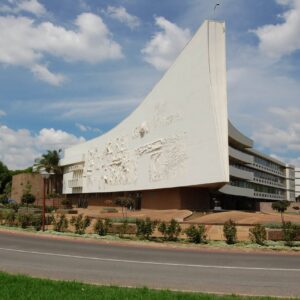
Image sources:
- By JMK - Own work, CC BY-SA 3.0
- By JMK - Own work, CC BY-SA 3.0
- By Mike-Prins - Own work, CC BY-SA 3.0
- By JMK - Own work, CC BY-SA 3.0
Echoes of the Past: Pretoria’s Historic Neighbourhoods
Pretoria, the administrative capital of South Africa, boasts a fascinating mix of old and new. While modern skyscrapers and trendy cafés dominate parts of the city, its oldest neighbourhoods preserve the charm of bygone eras. Established as a small Voortrekker settlement in the 1850s, Pretoria expanded into a thriving metropolis, with certain areas still reflecting their original roots. These historic suburbs offer more than just beautiful architecture. They tell the stories of pioneers, political struggles, and cultural transformations. Let’s take a journey through some of the city’s most treasured neighbourhoods and uncover the origins of Pretoria’s rich heritage.
Arcadia: The Diplomatic Heart of Pretoria
Arcadia stands as one of Pretoria’s most distinguished and historically significant neighbourhoods. Established in the late 1800s, it became a sought-after residential area for government officials and affluent families. Today, it houses numerous embassies, making it the diplomatic hub of the city. Beyond politics, Arcadia charms visitors with its tree-lined streets and heritage buildings. The Union Buildings, designed by Sir Herbert Baker, sit majestically on Meintjieskop, overseeing the city below. Many of the grand Edwardian and Victorian homes have been converted into museums, universities, and cultural institutions, preserving their historical integrity.
Sunnyside: The Bohemian Soul of Pretoria
Once a peaceful residential area, Sunnyside has transformed into a lively, diverse neighbourhood filled with students, artists, and entrepreneurs. Originally developed in the early 20th century, it was known for its grand houses and leafy streets. Over the decades, it evolved into a vibrant urban hub. While modern apartment blocks have replaced many of the older homes, remnants of its early days remain. Historic churches and schools still stand, hidden between the ever-growing skyline. Sunnyside is also known for its lively markets, coffee shops, and nightlife, making it a melting pot of cultures and communities.
Brooklyn: The Elegant Legacy
Brooklyn emerged in the early 1900s as one of Pretoria’s most prestigious suburbs. Its wide avenues, large plots, and colonial-style houses made it a favourite among the city’s elite. Many of these homes, built in the early 20th century, still exist today, carefully maintained to retain their historical appeal. Over the years, Brooklyn evolved into a commercial and residential hotspot. It now features Brooklyn Mall, upscale restaurants, and art galleries, blending old-world elegance with modern luxury. Despite its growth, Brooklyn’s rich history and architectural beauty remain evident on nearly every corner.
Muckleneuk: Pretoria’s Hidden Gem
Muckleneuk, nestled on the slopes of the city’s hills, exudes old-world charm. Established in the late 19th century, it boasts some of Pretoria’s most stunning historic homes. Many of these grand residences feature high ceilings, wooden floors, and stained-glass windows, reflecting the city’s colonial past. The neighbourhood is also home to key landmarks like UNISA (University of South Africa), one of the world’s largest distance-learning institutions. The area’s peaceful atmosphere, combined with its rich heritage, makes it a sought-after residential destination for those who appreciate history and tranquillity.
Pretoria Central: Where It All Began
Pretoria Central serves as the historic core of the city. Established in 1855 by Marthinus Pretorius, it became the heart of government, commerce, and culture. The area boasts some of the city’s most iconic landmarks, including Church Square, where the original government buildings were constructed. Walking through Pretoria Central feels like stepping back in time. The Palace of Justice, where the Rivonia Trial took place, remains a powerful reminder of South Africa’s history. Old arcades, historic banks, and colonial-era structures still stand, offering glimpses into Pretoria’s past.
Preserving Pretoria’s Historic Charm
Pretoria’s oldest neighbourhoods are more than just places on a map—they are the heart and soul of the city’s rich history. Each area tells a story of transformation, resilience, and cultural heritage. Whether you’re exploring the grandeur of Arcadia, the energy of Sunnyside, or the historic landmarks of Pretoria Central, these neighbourhoods offer a glimpse into the past while remaining an integral part of Pretoria’s present. The next time you walk through these streets, take a moment to appreciate the legacy they carry.
FAQs
1. What is the oldest neighbourhood in Pretoria?
Pretoria Central is considered the city’s oldest area, established in 1855 when the city was founded.
2. Why is Arcadia important in Pretoria’s history?
Arcadia houses the Union Buildings and many historical residences, making it a key area for government and diplomacy.
3. How did Sunnyside change over the years?
Sunnyside transformed from a quiet suburb into a vibrant, diverse urban centre filled with students, businesses, and nightlife.
4. What makes Brooklyn a historic neighbourhood?
Brooklyn’s colonial-style homes, tree-lined streets, and early 20th-century architecture showcase Pretoria’s elegant past.
5. Is Muckleneuk a good place to visit for history lovers?
Yes! Muckleneuk offers beautifully preserved heritage homes, old churches, and a quiet atmosphere perfect for history enthusiasts.
6. What is the significance of Church Square?
Church Square, located in Pretoria Central, was the city’s original meeting point and features historic buildings, including the Palace of Justice.
7. Are there museums in Pretoria’s oldest neighbourhoods?
Yes! Many historic buildings in Arcadia, Pretoria Central, and Muckleneuk have been converted into museums.
8. Which neighbourhoods in Pretoria have the best historic architecture?
Arcadia, Muckleneuk, and Brooklyn are known for their well-preserved colonial and Victorian-era buildings.
9. Why is the Union Buildings a must-visit landmark?
The Union Buildings serve as the seat of government and offer stunning views of Pretoria, making them one of the city’s top attractions.
10. How has Pretoria changed over the years?
Once a small Voortrekker settlement, Pretoria has grown into a modern capital, but its oldest neighbourhoods still preserve their historical charm.