Imagine stepping into a grand hall filled with the whispers of history, the scent of old pages, and shelves lined with literary treasures. This is the National Library of South Africa in Pretoria—where the past and present of the country’s literary world meet.

A Literary Landmark in Pretoria
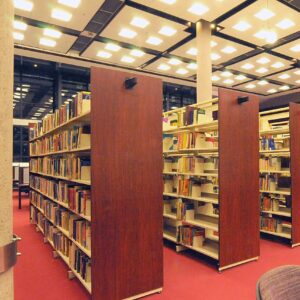
The National Library of South Africa (NLSA) is more than just a collection of books. It is a guardian of knowledge, preserving South Africa’s literary history for generations. Situated in Pretoria, one of the country’s administrative capitals, the library stands as a beacon of learning and cultural heritage. This institution has evolved from modest beginnings into one of Africa’s most significant repositories of knowledge. With extensive archives, rare manuscripts, and historic publications, the NLSA is a treasure trove for researchers, historians, and book lovers alike.
From Humble Beginnings to a National Institution
The history of the National Library of South Africa dates back to the early 19th century when colonial administrators recognized the need for a centralized depository of books and official documents. Originally established as the State Library, it became a central point for intellectuals and scholars seeking knowledge. Over the years, it has merged with other institutions, expanding its collection and reach. Today, the NLSA operates as the custodian of South Africa’s national bibliography, ensuring that every book published in the country finds a place on its shelves.
A Home for Rare and Historical Texts
One of the most fascinating aspects of the NLSA is its collection of rare and historic texts. These include:
- Indigenous Literature: Early writings in African languages showcasing the linguistic diversity of South Africa.
- Colonial Records: Documents from the Dutch and British colonial periods, offering insights into the country’s past.
- Freedom Struggle Archives: Writings and pamphlets from the apartheid era, chronicling the fight for democracy.
- Maps and Manuscripts: Hand-drawn maps from early explorers and handwritten manuscripts from renowned authors.
These collections provide a window into South Africa’s complex and layered history, making the library an essential resource for academic research and historical inquiry.
The Library’s Role in Modern South Africa
In today’s digital age, one might wonder—what role does a traditional library play? The NLSA has embraced technology, making its resources more accessible than ever. Digital archives, online catalogues, and research assistance ensure that knowledge is at the fingertips of scholars across the world. Beyond preserving history, the library actively promotes literacy, education, and a love for reading through various initiatives.
Educational and Community Programs
The National Library of South Africa is not just a quiet reading space; it is a vibrant cultural hub. Some of its notable programs include:
- Reading Campaigns: Encouraging young South Africans to develop a reading habit.
- Book Restoration Workshops: Teaching the art of book conservation.
- Public Lectures and Exhibitions: Bringing together authors, historians, and literature enthusiasts.
- Digital Literacy Initiatives: Helping bridge the technological divide through training and access to online resources.
These programs highlight the library’s commitment to serving the community and ensuring that knowledge remains accessible to all.
Preserving South Africa’s Linguistic Diversity
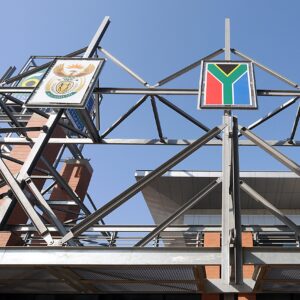
South Africa is a nation of eleven official languages, and the NLSA plays a critical role in preserving its linguistic heritage. The library archives numerous works in indigenous languages, ensuring that South Africa’s diverse voices are not lost to time. From isiZulu poetry to Xhosa folktales, the library’s collection is a testament to the country’s rich oral and literary traditions. By safeguarding these works, the NLSA contributes to the ongoing recognition and appreciation of indigenous knowledge systems.
Research and Academic Contributions
The National Library is an essential research institution. Scholars from across the globe visit Pretoria to explore its vast archives, which contain original documents unavailable anywhere else. Historians rely on its records to piece together South Africa’s colonial, apartheid, and post-apartheid eras. The library’s digitization projects have further enabled global access to these resources, ensuring that knowledge is not confined to physical walls. Its research division also assists postgraduate students, authors, and educators in conducting studies that shape academic discourse on South African literature, history, and politics.
Exploring the Library: A Visitor’s Guide
For those looking to experience the National Library firsthand, a visit to the Pretoria campus is a must. Here’s what you can expect:
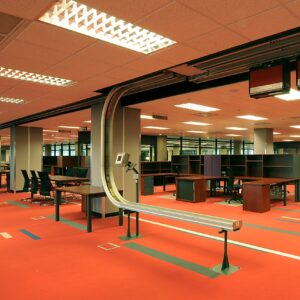
- Grand Reading Halls: Spacious and serene areas perfect for research and study.
- Special Collections Section: A secure area housing rare books and manuscripts.
- Exhibit Spaces: Rotating exhibitions showcasing literary and historical artifacts.
- Café and Bookstore: A cozy spot to grab a coffee and pick up a literary souvenir.
Whether you’re a student, historian, or simply a lover of books, the library offers an immersive experience into South Africa’s literary world.
The National Library of South Africa in Pretoria is more than just a building filled with books—it is a symbol of knowledge, culture, and history. It safeguards South Africa’s literary heritage while embracing the future through digital innovation and community engagement. Whether you’re a scholar, a history buff, or simply someone who loves the magic of books, the NLSA stands as a welcoming gateway to the past and a beacon of learning for the future.
FAQs
1. What are the operating hours of the National Library of South Africa?
The library is open Monday to Friday, with special hours on weekends. It’s always best to check their website for up-to-date timings.
2. Can anyone visit the library?
Yes! The NLSA is open to the public. While some areas require special permission, general sections are accessible to all.
3. Does the library offer online resources?
Absolutely. The NLSA has a digital catalogue, online archives, and e-books for remote access.
4. Are there guided tours available?
Yes, visitors can book guided tours to explore the library’s collections and learn about its history.
5. Can I donate books to the library?
The NLSA welcomes book donations, especially rare or historically significant works. However, it’s advisable to contact them first regarding their donation policies.
6. Does the library have a membership program?
While you don’t need a membership to visit, researchers and frequent users can register for additional access to resources.
7. Is there a library in Cape Town as well?
Yes, the NLSA has another major branch in Cape Town, complementing the Pretoria campus.
8. Does the library host events?
Yes, the library frequently hosts literary events, public lectures, and exhibitions.
9. Are there facilities for students and researchers?
Yes, the NLSA offers study spaces, research assistance, and access to academic materials.
10. Can I borrow books from the library?
Some books are available for lending, while rare and reference materials must be used within the library.