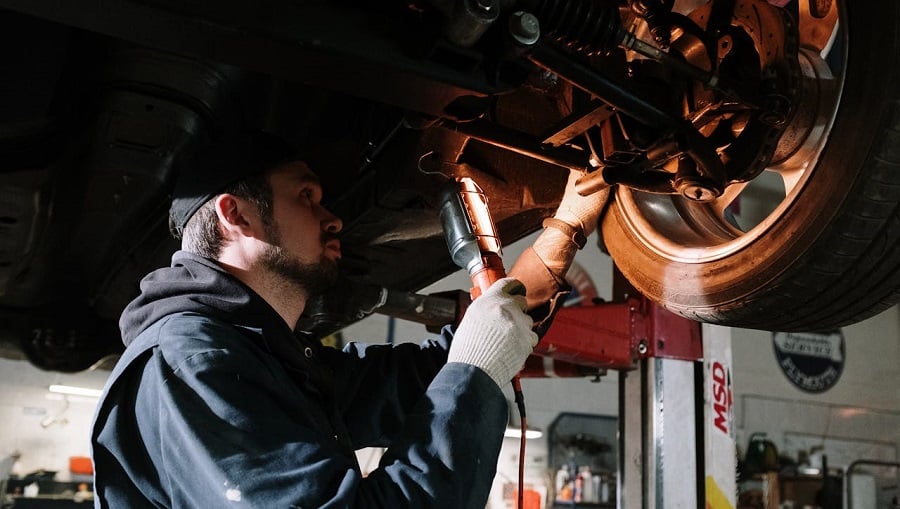
Maintaining your car in top condition not only enhances its performance but also ensures your safety and prolongs its lifespan. Regular maintenance, timely repairs, and adopting good driving habits are crucial steps in taking proper care of your vehicle. Whether you're a new car owner or a seasoned driver looking to brush up on automotive care, this comprehensive guide offers practical tips and expert advice to keep your car running smoothly. From routine oil changes to understanding warning signs and preventive measures, we've got you covered. Dive in to discover everything you need to know about responsible car maintenance.
Understanding Warning Signs
Recognizing and addressing warning signs early can save you from costly repairs and potential safety hazards. One of the most common indicators that something might be wrong is the illumination of the check engine light. While often associated with minor issues like a loose gas cap, it could also signal more serious problems requiring immediate attention. If your car jerks when accelerating or has difficulty starting, it could be a sign of a faulty spark plug or fuel pump. Unusual noises, vibrations, and changes in performance should also not be ignored.Essential Routine Checks
Performing essential routine checks on your car can significantly enhance its performance and prolong its longevity. Start by regularly checking the engine oil level and topping it up when needed, as adequate oil levels ensure that the engine runs smoothly and efficiently. Inspect the tire pressure monthly, including the spare, to promote even tire wear and improve fuel efficiency . Don't forget to examine the tread depth to ensure adequate traction, especially in adverse weather conditions. Make it a habit to check the levels of other vital fluids such as coolant, brake fluid, transmission fluid, and windshield washer fluid. Regularly test your lights—headlights, brake lights, and indicators—to maintain visibility and safety on the road. Lastly, ensure that your battery terminals are clean and corrosion-free, and test the battery's charge periodically to prevent unexpected breakdowns. These simple, routine checks can keep your car in optimal condition and sidestep more significant issues down the road.Preventive Measures
Preventive measures are vital to avoid unexpected breakdowns and ensure the longevity of your vehicle. Regularly scheduled maintenance, as outlined in your car's owner manual, is the first step toward preventive care. This includes adhering to the recommended service intervals for oil changes, filter replacements, and other essential maintenance tasks. It's also important to pay attention to seasonal changes. In colder months, ensure your antifreeze levels are adequate, and consider switching to winter tires for enhanced traction on icy roads. During warmer months, check your air conditioning system and coolant levels to prevent overheating. Another key preventive measure is keeping your car clean. Regular washing and waxing can protect the paint and body from damage caused by dirt, salt, and other environmental contaminants. Additionally, keeping the interior clean and free of clutter not only enhances comfort but can also prevent damage to the upholstery and electronic systems. Finally, adopting good driving habits can go a long way in preserving your car's health. Avoid sudden stops and starts, and drive at moderate speeds to reduce wear and tear on your engine and braking system. By following these preventive measures, you can ensure your car remains reliable and efficient for years to come.