
The open road is filled with possibilities, but preparation ensures your journey is safe and memorable. Let’s get you road-ready with essential tips and strategies.

Road Trip Safety Tips For Pretoria Residents
Road trips are a beloved festive tradition for many Pretoria residents. Whether it’s a coastal escape to Durban, a serene retreat in the Drakensberg, or visiting family in neighbouring provinces, the excitement of hitting the road is unparalleled. However, the success of any road trip lies in thorough preparation, especially when safety is involved. This guide covers everything you need to ensure a stress-free, safe, and enjoyable journey—from car maintenance and packing emergency essentials to staying alert on the road and avoiding common travel pitfalls.Pre-Trip Vehicle Maintenance: The Foundation of a Safe Journey
Your car is your lifeline during a road trip, and proper maintenance is the key to avoiding breakdowns and accidents. 1. Tyre Care: Grip the Road Safely Your tyres are essential for maintaining control, especially on long stretches of highway or in unpredictable weather.- Check Tread Depth : The legal minimum tread depth in South Africa is 1.6 mm, but experts recommend replacing tyres with less than 3 mm of tread.
- Inspect for Damage : Look for cuts, bulges, or punctures that could lead to blowouts.
- Adjust Pressure : Use a pressure gauge to inflate tyres according to your vehicle’s specifications, factoring in the weight of luggage and passengers.
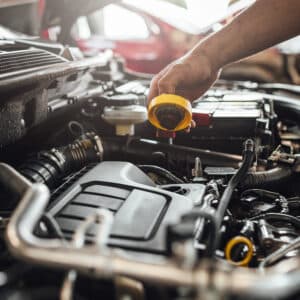
- Engine Oil : Top up or change if it’s been over 5,000 km since your last service.
- Coolant : Check levels to prevent your engine from overheating, especially in Pretoria’s summer heat.
- Brake Fluid : Low levels or dirty fluid can compromise stopping power, so refill and flush if needed.
- Test all lights, including brake lights, indicators, and high beams.
- Replace wiper blades if they leave streaks or squeak.
- Ensure battery terminals are clean and securely connected.
- Get your battery tested to confirm it’s holding a charge.
Packing an Emergency Kit: Your Travel Insurance on the Go
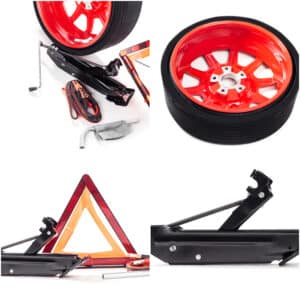
Even with a well-maintained vehicle, emergencies can happen. Packing a comprehensive emergency kit can save the day in critical situations. 1. Must-Have Tools and Equipment- Jumper Cables : For a quick battery restart.
- Jack and Spare Tyre Tools : Ensure you know how to use them.
- Tow Rope : Ideal for roadside rescues.
- Multi-Tool or Swiss Knife : For quick fixes.
- Torch and Batteries : Crucial for nighttime breakdowns.
- First Aid Kit : Include bandages, antiseptics, pain relievers, and scissors.
- Reflective Triangles and Vest : Alert other drivers to your presence during a breakdown.
- Fire Extinguisher : Compact, car-friendly models are perfect for electrical or flammable liquid fires.
- Bottled Water and Snacks : Pack enough to last several hours.
- Blanket : Essential for cold nights, especially in mountainous areas.
- Power Bank : Keep devices charged for navigation and communication.
- Keep copies of your vehicle registration, insurance, and license.
- Store emergency contact numbers, including roadside assistance and local law enforcement.
Route Planning and Navigation: Stay Ahead of Surprises
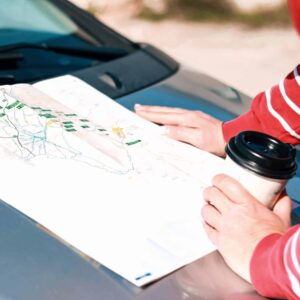
Good planning can save you time, fuel, and stress. 1. Research Your Route While spontaneity adds charm to road trips, knowing your primary route and potential alternatives is a game-changer.- Use apps like Google Maps or Waze for real-time traffic updates.
- Identify fuel stations, rest stops, and scenic spots in advance.
Driving Safety Tips: Mind the Road and the Rules
Once you’re on the road, responsible driving is the best way to ensure a safe journey. 1. Stick to the Speed Limit Speeding is a leading cause of road accidents. Maintain a steady speed and adapt to weather or road conditions. 2. Take Regular Breaks Fatigue can sneak up on even experienced drivers. Stop every 2–3 hours to stretch, hydrate, and recharge mentally. 3. Stay Alert for Wildlife and Pedestrians In rural areas near Pretoria, you may encounter wandering animals or pedestrians crossing unexpectedly. Be extra cautious at dawn and dusk. 4. Keep a Safe Following Distance Maintain at least a three-second gap between your car and the vehicle ahead to give yourself ample reaction time.Safety Tips for Travelling With Children
Kids add joy to road trips, but their safety and comfort require special attention. 1. Secure Car Seats For infants and toddlers, ensure car seats are correctly installed according to safety guidelines. 2. Pack Entertainment Bored kids can distract the driver. Bring books, toys, or devices loaded with games and movies to keep them occupied. 3. Plan Kid-Friendly Stops Include stops with play areas or scenic spots where kids can stretch their legs and burn off energy.Avoiding Scams and Pitfalls on the Road
Travelers are often targets for scams. Stay vigilant to avoid falling victim. 1. Fuel Station Scams Always watch your card during transactions to prevent skimming. Avoid suspicious roadside fuel sellers. 2. Overpriced Emergency Supplies Some roadside vendors charge exorbitant prices for basic supplies like water or jumper cables. Buy these in advance. 3. Fake Assistance Offers Be cautious if someone approaches claiming to be a mechanic or offering help. Verify their credentials before accepting assistance.Eco-Friendly Road Tripping: Reduce Your Impact
Driving doesn’t have to harm the environment. Adopt sustainable practices to make your journey greener. 1. Drive Efficiently- Maintain a steady speed to optimize fuel consumption.
- Avoid idling unnecessarily.
- Use reusable water bottles and snack containers.
- Carry a small bin bag to manage trash responsibly.