
Pretoria’s historic buildings whisper tales of the past, carrying the echoes of presidents, pioneers, and pivotal events. But are we listening? Pretoria, often called the "Jacaranda City," isn’t just about its beautiful purple blooms. Beneath its modern skyline lie remnants of a rich and complex history, preserved in its historic buildings. From grand government structures to humble yet significant homes, these sites tell the story of a city that has witnessed revolutions, reconciliations, and remarkable change.
Why Preserving Pretoria’s Historic Buildings Matters
Historic buildings serve as tangible links to our past. They provide a sense of identity, reflecting the architectural styles, cultural influences, and pivotal moments that have shaped Pretoria. Beyond aesthetics, these structures contribute to tourism, economic growth, and educational enrichment. Neglecting heritage buildings leads to the loss of irreplaceable history. Preserving them isn’t just about maintaining old walls; it’s about keeping stories alive.
A Glimpse Into Pretoria’s Past
Founded in 1855, Pretoria has evolved from a Voortrekker settlement into South Africa’s administrative capital. The city has seen colonial rule, apartheid, and the rise of democracy. Each chapter of its history is etched into the walls of its historic buildings, making them priceless archives of South Africa’s journey.
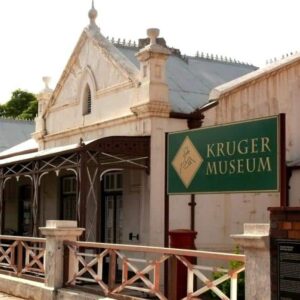
Paul Kruger House – A Presidential Legacy
Once the home of President Paul Kruger, this modest yet historically significant house offers insight into the life of one of South Africa’s most controversial leaders. The residence, with its original furniture and artifacts, transports visitors to the late 1800s. It is a reminder of the era when Kruger led the South African Republic and played a crucial role in shaping the country’s political landscape.
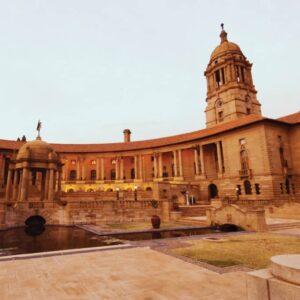
The Union Buildings – A Symbol of Power and Change
Designed by Sir Herbert Baker, the Union Buildings are a striking example of neoclassical architecture. More than just government offices, they have been the site of significant events, including Nelson Mandela’s inauguration in 1994. The buildings stand as a symbol of South Africa’s transition from apartheid to democracy, offering breathtaking views of the city while embodying its political and historical significance.
Melrose House – A Victorian Gem
This grand Victorian mansion played a crucial role in the Anglo-Boer War. It was here that the Treaty of Vereeniging was signed in 1902, ending the war. Today, it stands as a museum showcasing exquisite antique furniture and artifacts. Walking through its rooms, visitors can sense the tension and negotiations that once took place within these walls.
Sammy Marks Museum – A Window Into Victorian High Society
Sammy Marks, a Lithuanian entrepreneur, left behind a mansion filled with opulent decor and artifacts from the 19th century. The museum provides a fascinating look at the lavish lifestyle of one of Pretoria’s most influential businessmen. The preserved estate allows visitors to step into an era of wealth, industry, and social prestige that defined Pretoria’s elite during that time.
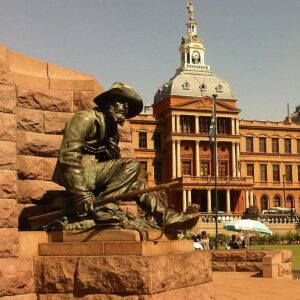
Church Square – The Heart of Pretoria’s Heritage
At the center of Pretoria, Church Square is surrounded by historic buildings such as the Old Capitol Theatre, the Palace of Justice, and the General Post Office. It remains a vibrant space where history and modern life intersect. The square has witnessed political rallies, legal battles, and social gatherings, making it a cornerstone of Pretoria’s past and present.
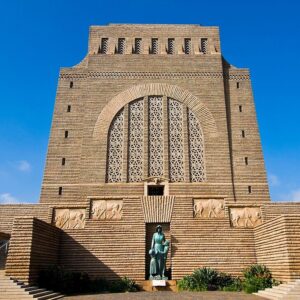
Voortrekker Monument – Commemorating the Great Trek
This massive granite structure, built to honor the Voortrekkers, is one of Pretoria’s most iconic landmarks. Its intricate carvings and symbolic architecture offer insight into South Africa’s complex colonial past. Visitors can explore its impressive interior, which narrates the story of the Voortrekkers’ journey and struggles, encapsulating an era of migration and settlement.
Freedom Park – Bridging the Past and the Future
Unlike traditional heritage sites, Freedom Park represents recent history, honoring those who fought for South Africa’s democracy. Combining indigenous symbolism with modern architecture, it provides a space for reflection and reconciliation. The site includes the Wall of Names, which pays tribute to those who sacrificed their lives during South Africa’s tumultuous past.
Challenges in Preserving Historic Buildings
Despite their importance, many of Pretoria’s historic buildings face threats, including:
- Urbanization and development pressure
- Lack of funding for restoration projects
- Neglect and vandalism
- Climate-related damage
Addressing these challenges requires collaboration between government, private investors, and local communities. Without proactive measures, these structures may deteriorate beyond repair, erasing vital pieces of Pretoria’s identity.
Future of Heritage Conservation in Pretoria
With technological advancements in preservation techniques and increased awareness of heritage conservation, there is hope for Pretoria’s historic buildings. Initiatives such as digital archiving, sustainable restoration, and community-driven conservation efforts will play a crucial role in ensuring these landmarks remain standing for generations to come. Organizations are working toward integrating modern infrastructure with heritage preservation, ensuring that Pretoria’s progress does not come at the cost of its historical identity.
Preserving Pretoria’s historic buildings isn’t just about protecting old structures; it’s about honoring the stories, struggles, and triumphs of those who came before us. As the city grows, these landmarks remind us where we came from—guiding us toward a future that respects its past. By recognizing the value of these heritage sites, investing in their maintenance, and engaging in responsible tourism, we ensure that future generations can walk through Pretoria’s streets and witness its rich history firsthand
FAQs
1. Which is the oldest building in Pretoria?
The oldest surviving building is believed to be the Pretoria Forts, built in the late 19th century.
2. Can you visit the Union Buildings?
Yes, while the offices aren’t open to the public, the gardens and surrounding areas are accessible.
3. Why is Church Square important?
It has been the political and social heart of Pretoria since the 19th century, witnessing key events in South African history.
4. How does tourism impact heritage sites?
Tourism provides funding for restoration but also increases wear and tear on historic buildings.
5. What is being done to preserve these buildings?
Heritage organizations and government initiatives focus on restoration, awareness campaigns, and protective regulations.
6. What role does the community play in preservation?
Local communities can advocate for conservation, participate in heritage awareness programs, and support restoration projects.
7. Are there any privately owned heritage sites?
Yes, some historic buildings are maintained by private owners who work with heritage councils to ensure their preservation.
8. How does Pretoria compare to other cities in terms of heritage conservation?
Pretoria has a strong heritage preservation framework, but challenges such as urban expansion pose threats similar to those faced in other historic cities.
9. What can individuals do to help preserve Pretoria’s history?
People can support local heritage organizations, visit historical sites, and advocate for policies that prioritize preservation.
10. Is there funding available for restoring historic buildings?
Yes, various grants and government programs assist in restoration efforts, though securing funding remains a challenge.]