
Step into the past and uncover the stories that shaped South Africa’s journey to freedom! From Joburg’s bustling city streets to Pretoria’s grand memorials, these landmarks honour the resilience and courage of those who fought for justice. Walk through history and feel inspired!
Constitution Hill – A Fortress of Justice
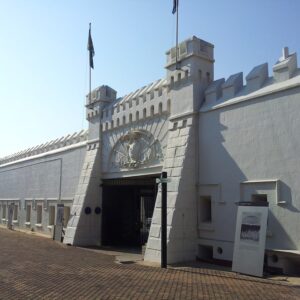
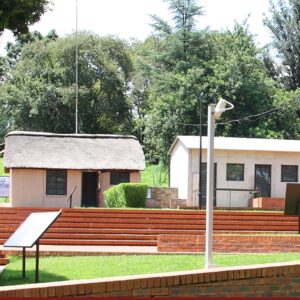
Constitution Hill, standing tall in Johannesburg, represents South Africa’s past, present, and future. Once a brutal prison, it held political figures like Nelson Mandela and Mahatma Gandhi. Today, it serves as a symbol of human rights and justice. Explore the chilling Old Fort, Women’s Jail, and Number Four. These areas once housed prisoners who faced unimaginable hardships. Graffiti, artefacts, and eerie silence transport visitors to a time when the voices for freedom refused to be silenced. Now, the site houses the Constitutional Court, which upholds democracy and justice. Take a moment at the towering Flame of Democracy. It reminds visitors that freedom must be protected. Whether you love history or want to learn about South Africa’s journey to equality, this site will leave you enlightened.
Liliesleaf Farm – A Secret Revolution Hub
In the quiet suburb of Rivonia, Liliesleaf Farm hides a powerful past. This farmhouse once served as the headquarters for anti-apartheid activists. Leaders like Nelson Mandela met here to strategize against the oppressive regime. Step inside and experience the secret meetings where bold plans for liberation took shape. The museum’s interactive displays, old photographs, and personal stories bring the era to life. The infamous police raid of 1963 led to the Rivonia Trial and the imprisonment of key ANC leaders. Beyond its history, the lush gardens and restored buildings create a peaceful yet thought-provoking space. Walking through, visitors can imagine the whispers of struggle and determination that once filled the air. The experience highlights the power of unity in the fight for human rights.
Apartheid Museum – A Journey Through South Africa’s Darkest Days
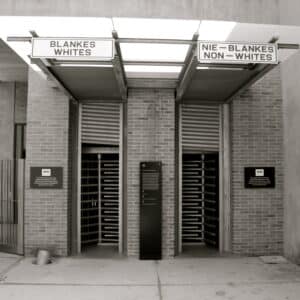
The Apartheid Museum tells the story of South Africa’s struggle for justice. From the entrance, visitors experience the impact of segregation firsthand. Randomly assigned tickets classify them as ‘white’ or ‘non-white,’ forcing them to enter separate doors. This brief moment reflects the daily reality of apartheid. Inside, the exhibits showcase heartbreaking testimonies, photographs, and immersive installations. The "Mandela Exhibition" chronicles his life, from his youth to his presidency. One of the most striking features stands outside—131 nooses honour the political prisoners executed during apartheid. This museum delivers more than just a history lesson. It evokes deep emotions and ensures that the past remains a lesson for future generations.
Freedom Park – A Tribute to Liberation
Freedom Park, perched on Salvokop Hill in Pretoria, stands as a tribute to South Africa’s liberation. The site blends history, culture, and spirituality, making it one of the country’s most powerful landmarks. The Wall of Names, the park’s most moving feature, commemorates those who lost their lives fighting for justice. The Isivivane, a sacred space with ancient boulders, symbolizes unity and peace. As visitors walk through the gardens and reach the panoramic viewing deck, they see Pretoria’s skyline. The breathtaking view reminds them of the country’s progress. Whether visitors come to learn, reflect, or enjoy the scenery, Freedom Park leaves a lasting impression.
Union Buildings – The Heart of Democracy
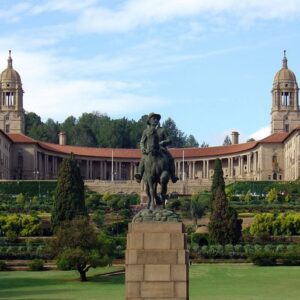
Standing tall over Pretoria, the Union Buildings symbolize South Africa’s political history. This grand structure witnessed some of the country’s most defining moments, including Nelson Mandela’s presidential inauguration in 1994. The manicured gardens feature statues and monuments honouring leaders and struggle icons. The towering Nelson Mandela statue, with outstretched arms, symbolizes unity and reconciliation. From the steps of the Union Buildings, visitors can almost hear echoes of Mandela’s historic speech. Whether drawn to the history, the panoramic views, or the presence of greatness, this site embodies democracy’s triumph over oppression.
Johannesburg and Pretoria hold powerful reminders of South Africa’s human rights journey. Former prisons, secret meeting places, and grand monuments tell stories of struggle and victory. Whether you love history, seek meaningful experiences or value justice, these sites offer profound insights. Lace up your walking shoes, open your heart to history, and let these landmarks remind you of the power of the human spirit!
FAQs
1. What is the most significant human rights landmark in Johannesburg?
Constitution Hill stands as one of the most important landmarks, showcasing South Africa’s journey to democracy.
2. Why is Liliesleaf Farm historically important?
Liliesleaf Farm served as a secret headquarters for anti-apartheid activists. It played a key role in the fight against apartheid.
3, Can visitors understand the Apartheid Museum without prior knowledge of history?
Yes! The museum’s immersive exhibits and storytelling make it accessible to all.
4. What makes Freedom Park unique?
Freedom Park blends history, nature, and spirituality. It honours those who fought for freedom and provides a space for reflection.
5. Are the Union Buildings open to the public?
The official offices remain closed, but visitors can explore the gardens, statues, and viewpoints.