
Every year, South Africans commemorate Human Rights Day on March 21. But how much do you really know about this historic day? From surprising origins to powerful moments in history, let’s uncover jaw-dropping facts that might change the way you see Human Rights Day forever!


Why March 21? The Shocking Story Behind the Date
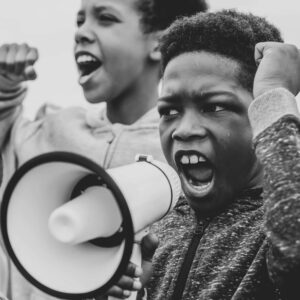
Most public holidays celebrate joy, but Human Rights Day carries a heartbreaking history. On March 21, 1960, thousands gathered in Sharpeville to protest against the apartheid pass laws. The demonstration was peaceful. Then, tragedy struck. Police opened fire on the unarmed crowd, killing 69 people and injuring hundreds more. The Sharpeville Massacre shook the world. Outrage spread fast. In response, activists intensified their fight against apartheid. Today, March 21 reminds us that human rights were not freely given—they were fought for. South Africans mark this day to honour those who stood up against oppression and paid the ultimate price.
More Than Just a Public Holiday
Yes, having a day off is great. But did you know Human Rights Day carries global significance? The United Nations also recognizes March 21 as the International Day for the Elimination of Racial Discrimination. South Africa is not the only country reflecting on human rights struggles. Around the world, people use this day to promote equality and justice. So, before you relax, take a moment to remember why this day matters.
Nelson Mandela’s Dream: A Constitution Like No Other
When apartheid ended in 1994, Nelson Mandela and his legal team drafted a groundbreaking constitution. Many call it one of the most progressive in the world. Unlike others, South Africa’s Constitution guarantees not only civil rights but also socioeconomic rights. It protects access to housing, healthcare, education, and dignity. Mandela’s vision was clear: true freedom requires more than just political rights. His leadership ensured that the new democracy would prioritize social justice for all.
Did You Know? Crazy & Unexpected Facts About Human Rights Day
- The Sharpeville Massacre changed global policies – After the tragedy, the UN condemned apartheid, leading to sanctions against South Africa.
- Activists debated the holiday’s name – Many wanted to call it Freedom Day, but leaders chose Human Rights Day to reflect its deeper significance.
- South Africa’s Bill of Rights includes environmental rights – Citizens have the legal right to a healthy environment, something many constitutions ignore.
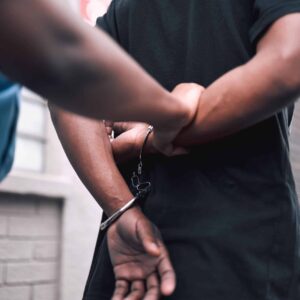
- The pass laws were extreme – Black South Africans had to carry passbooks at all times. Forgetting one at home could lead to arrest.
- Sharpeville hosts the first official memorial for the struggle – The Sharpeville Memorial stands on the site of the massacre, honouring those who lost their lives.
How South Africa Celebrates Human Rights Day Today
Every year, South Africans mark Human Rights Day with ceremonies, music festivals, and public debates. The main national event moves between provinces, where the President delivers a speech about human rights progress. But it’s not just about government events. Schools, universities, and communities host workshops, film screenings, and exhibitions. If you're in Pretoria, check out Freedom Park and Constitution Hill. These sites offer guided tours and activities that highlight South Africa’s human rights journey. Many South Africans also use this day to give back. Volunteer drives, charity events, and community initiatives run nationwide. Whether it's donating books, supporting shelters, or fighting gender-based violence, there are many ways to make a difference.
Why Human Rights Still Matter Today
South Africa has made incredible progress since 1960. But challenges remain. Inequality, unemployment, and education gaps continue to threaten human rights. Human Rights Day is not just about remembering the past. It’s a call to action for the future. We must protect these hard-earned freedoms and continue pushing for fairness and justice. The fight isn’t over.
Human Rights Day is more than just a public holiday. It honours those who fought for freedom and reminds us to protect these rights. Whether you attend a memorial, learn about history, or take action for change, use this day to reflect. Human rights are never guaranteed—they are earned and defended by those who refuse to stay silent.
FAQs
1. What happened at the Sharpeville Massacre?
On March 21, 1960, thousands protested against the pass laws. Police opened fire on the unarmed crowd, killing 69 people and injuring over 180.
2. Why is Human Rights Day important?
It reminds South Africans of past struggles and encourages them to protect human rights today.
3. How do people celebrate Human Rights Day in South Africa?
The day includes speeches, concerts, educational events, and memorials. Many people also use the day to support social causes.
4. What rights does South Africa’s Constitution protect?
It guarantees equality, freedom, dignity, healthcare, education, and even environmental rights.
5. Is Human Rights Day only celebrated in South Africa?
No! The UN recognizes March 21 as the International Day for the Elimination of Racial Discrimination.
6. How can I contribute to human rights in my daily life?
Stand against discrimination, support social justice initiatives, and educate yourself and others.