In the dynamic and competitive retail landscape of Pretoria, having a well-structured marketing plan is essential for success. A comprehensive retail marketing plan helps you identify your target market, set clear goals, and implement effective strategies to attract and retain customers. Here’s a step-by-step guide to creating a successful retail marketing plan tailored to Pretoria’s unique market.




Key Statistics and Insights Into Retail Marketing
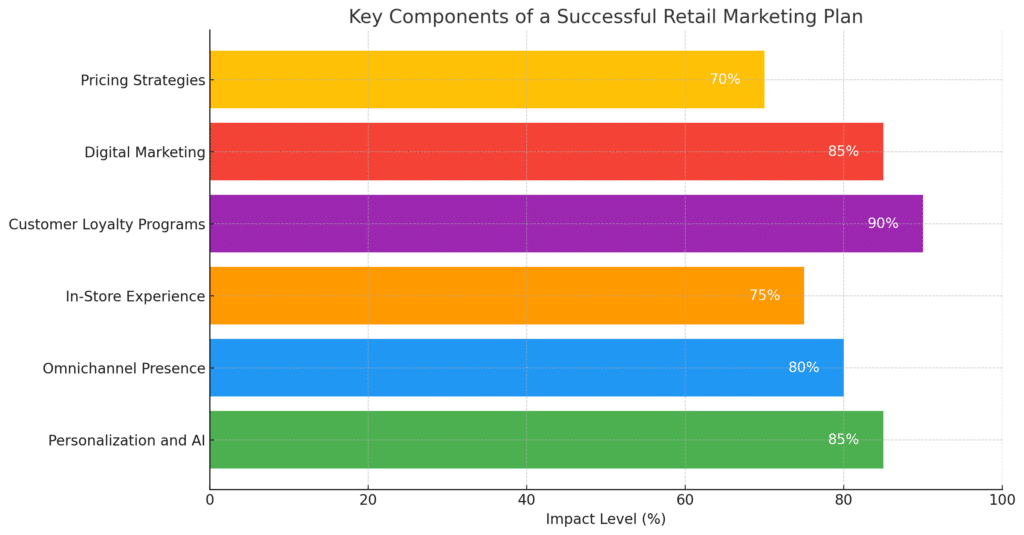
To create a successful retail marketing plan, it’s essential to understand and incorporate the latest trends and strategies that drive customer engagement and sales. Here are some key statistics and insights that can help shape an effective retail marketing plan:-
Personalisation and AI
:
- Personalised product recommendations, driven by artificial intelligence (AI), are becoming increasingly crucial. AI can analyse browsing patterns and past purchases to offer tailored suggestions, enhancing customer satisfaction and boosting sales.
- Retailers using personalised marketing strategies have seen significant increases in customer engagement and sales, with personalised experiences resonating deeply with consumers.
-
Omnichannel Presence
:
- An omnichannel strategy is vital in today’s retail environment. This approach ensures a seamless shopping experience across multiple channels, including online stores, physical locations, and mobile apps. Approximately 80% of in-store visits are influenced by an omnichannel strategy.
- Leveraging technologies like chatbots for personalised recommendations and offering to buy online/pickup in-store options can significantly enhance customer convenience and satisfaction.
-
In-Store Experience
:
- Optimising the in-store experience remains critical. Creative merchandising, clear traffic flows, and knowledgeable staff can create a memorable shopping environment. Digital integrations, such as tablets for sales associates to check inventory or provide additional product information, are also essential.
- Augmented reality (AR) and virtual try-ons are revolutionising how customers shop for products, reducing returns and increasing buyer confidence.
-
Customer Loyalty Programs
:
- Building customer loyalty is a key component of a successful retail marketing plan. Increasing customer retention by just 5% can boost profits by up to 95%.
- Effective loyalty programmes can include customer feedback requests, exclusive discounts, and personalised communications via email or SMS.
-
Digital Marketing
:
- Digital marketing strategies, including search engine optimisation (SEO), social media marketing, and email campaigns, are essential for reaching a broader audience and driving traffic. Approximately 77% of ROI from digital marketing comes from segmented and targeted campaigns.
- Content marketing, including high-quality blog posts, videos, and infographics, can establish a brand as an authority in its industry and drive customer engagement.
-
Pricing Strategies
:
- Effective pricing strategies, including discounts, promotions, and understanding customer willingness to pay, are critical for influencing purchasing decisions. Balancing competitive pricing with profitability is essential.
1. Define Your Objectives
Start by clearly defining your business objectives. What do you want to achieve with your marketing efforts? Common objectives include:- Increasing Sales: Boost overall sales and revenue.
- Building Brand Awareness: Make more people aware of your store and products.
- Customer Retention: Keep existing customers coming back.
- Expanding Market Reach: Attract new customers and enter new markets.
2. Understand Your Target Market
Identify who your ideal customers are. Understanding your target market is crucial for tailoring your marketing strategies. Consider the following factors:- Demographics: Age, gender, income, education level, and occupation.
- Psychographics: Interests, values, lifestyle, and buying behaviours.
- Geographic Location: Where your customers live and work.

3. Conduct a SWOT Analysis
Conduct a SWOT analysis to understand your business’s strengths, weaknesses, opportunities, and threats. This analysis helps you identify areas where you excel and areas that need improvement. It also highlights potential opportunities for growth and external factors that could impact your business.4. Develop Your Unique Selling Proposition (USP)
Your USP is what sets you apart from your competitors. It’s the unique benefit that your customers get from shopping at your store. Clearly articulate your USP and ensure it’s reflected in all your marketing efforts. For example, your USP could be exceptional customer service, unique product offerings, or unbeatable prices.5. Choose Your Marketing Channels
Select the most effective marketing channels to reach your target audience. Consider a mix of the following:- Online Channels: Social media, email marketing, and your website.
- Offline Channels: Print advertising, local events, and in-store promotions.
- Partnerships: Collaborate with other local businesses for cross-promotions.
6. Create a Marketing Budget
Determine how much you are willing to spend on your marketing efforts. Your budget should cover all marketing activities, including advertising, promotions, and any tools or software you need. Allocate your budget based on the channels that are most likely to reach your target audience effectively.7. Develop Your Marketing Strategies
With your objectives, target market, and budget in mind, develop specific marketing strategies. Here are some ideas:- Social Media Marketing: Engage with customers on platforms like Facebook, Instagram, and Twitter. Share content that reflects your brand and appeals to your target audience.
- Email Marketing: Send regular newsletters and promotions to your email subscribers. Personalise your emails to increase engagement.
- Content Marketing: Create valuable content such as blog posts, videos, and guides that educate and entertain your audience.
- Local SEO: Optimise your online presence for local search to attract customers searching for products and services in Pretoria.
- In-Store Promotions: Run special promotions, events, and loyalty programs to attract and retain customers.