
Heroes rise when history demands them. South Africa’s journey to justice is filled with fearless individuals who challenged oppression, demanded equality, and paved the way for a better tomorrow. This Human Rights Day 2025, let’s celebrate their unbreakable spirit!
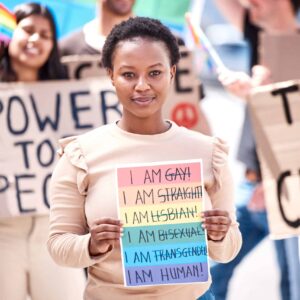
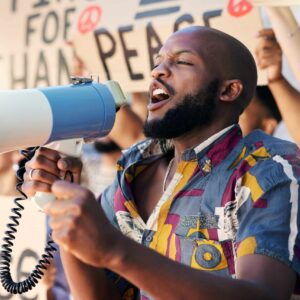
South Africa’s Human Rights Day, observed annually on March 21, is more than just a date on the calendar—it’s a commemoration of courage, resilience, and victory over injustice. This day marks the tragic Sharpeville Massacre of 1960, where peaceful protesters were met with violence, igniting a movement that would ultimately dismantle apartheid. But history isn't just about remembering the past; it’s about honouring those who shaped the future. These South African heroes fought tirelessly for human rights, equality, and dignity. Their stories inspire generations to stand up, speak out, and never take freedom for granted.
Nelson Mandela: The Legacy of a Nation
No discussion on South African heroes is complete without Nelson Rolihlahla Mandela. A global icon of peace and justice, Madiba spent 27 years behind bars, yet emerged with a message of reconciliation instead of revenge. His presidency marked a turning point for human rights, proving that forgiveness and unity are more powerful than oppression. Mandela’s philosophy of Ubuntu, meaning “I am because we are,” remains the heartbeat of South African society today. His leadership abolished apartheid, established constitutional democracy, and set the foundation for equality. Through his sacrifices, South Africa learned that the fight for human rights is the fight for humanity itself.
Albertina Sisulu: The Mother of the Nation
Behind every revolution, there are women who defy the odds. Albertina Sisulu, a fearless activist and nurse, stood tall in the face of injustice. She was a pillar of the United Democratic Front (UDF) and a lifelong advocate for human rights, particularly in healthcare and education. While her husband, Walter Sisulu, was imprisoned alongside Mandela, Albertina carried the torch of activism, often risking arrest herself. Her commitment to gender equality, education, and justice earned her the title "Mother of the Nation"—and rightly so. Her work ensured that young girls and women had the opportunity to dream beyond oppression.
Steve Biko: The Voice of Black Consciousness
“The most potent weapon in the hands of the oppressor is the mind of the oppressed.”
These powerful words came from Steve Biko, the pioneer of the Black Consciousness Movement. Biko’s ideology was simple yet revolutionary—black South Africans should embrace their identity and self-worth despite apartheid’s systematic oppression. Through his writings and activism, Biko sparked a mental and social awakening that terrified the government. He paid the ultimate price when he was brutally murdered in police custody in 1977. However, his ideas live on in every movement that fights against racial injustice.
Desmond Tutu: The Nation’s Moral Compass
If justice had a voice, it would sound like Archbishop Desmond Tutu. Affectionately known as "The Arch," he was a relentless advocate for peace, reconciliation, and human rights. His infectious laugh and sharp wit often masked the gravity of his mission—to dismantle apartheid using non-violent resistance. As Chair of the Truth and Reconciliation Commission, Tutu played a crucial role in healing the wounds of the past. His teachings continue to inspire not just South Africans, but human rights movements across the globe.
Fighting for Justice: Modern-Day Activists
While the giants of the past laid the groundwork, South Africa’s fight for human rights isn’t over. Today, new-age activists carry the baton, ensuring that the struggle for equality continues.
- Thuli Madonsela – A fearless advocate for accountability, she played a pivotal role as South Africa’s Public Protector, exposing corruption at the highest levels.
- Zanele Muholi – A visual activist whose photography captures the lives of LGBTQ+ South Africans, challenging discrimination through powerful imagery.
- Sibongile Mkhabela – A social justice leader focused on youth development and the empowerment of marginalized communities.
These modern-day heroes remind us that human rights are not a historical achievement but a continuous battle.
How Can You Honor South African Human Rights Champions?
Celebrating human rights isn’t just about remembering the past—it’s about taking action. Here’s how you can contribute to the ongoing fight for justice:
- Educate Yourself & Others – Learn about South Africa’s history and share these stories with your community.
- Support Human Rights Organizations – Contribute to organizations that uplift marginalized groups.
- Speak Out Against Injustice – Whether online or in real life, don’t stay silent in the face of inequality.
- Celebrate Diversity – Recognize the beauty in South Africa’s multicultural society and foster inclusivity.
- Attend Human Rights Day Events – Join discussions, workshops, and commemorations that keep the spirit of activism alive.
South Africa’s journey to freedom and justice is written in the blood, sweat, and courage of extraordinary individuals. From the past to the present, these human rights champions remind us that the fight for equality never truly ends. This Human Rights Day, let’s celebrate their victories, learn from their struggles, and commit to building a society where justice, freedom, and dignity are the birthright of all. After all, the greatest tribute we can give our heroes is to keep their dream alive!
FAQs
1. Why is Human Rights Day important in South Africa?
It commemorates the Sharpeville Massacre and honors those who fought for equality, serving as a reminder of the ongoing struggle for human rights.
2. Who were the key figures in South Africa’s human rights movement?
Icons like Nelson Mandela, Albertina Sisulu, Steve Biko, and Desmond Tutu played a major role in shaping South Africa’s human rights history.
3. What are some modern human rights issues in South Africa?
Issues like gender-based violence, economic inequality, LGBTQ+ rights, and corruption continue to challenge the nation.
4. How can I get involved in human rights activism in South Africa?
Volunteer, educate yourself, support human rights organizations, and use your voice to advocate for change.
5. What is Ubuntu, and how does it relate to human rights?
Ubuntu means "I am because we are" and embodies the spirit of interconnectedness and mutual respect, which is the foundation of human rights.